Useful Books for Testers
What Else Should I Read Besides the Course?
Our course is, without a doubt, the best and most practical one on the entire internet, and all the information it gives you is more than enough to get through the levels and land a job.
Still, we are often asked what else to read about testing to broaden a tester's horizons. And let's be frank: at an interview you may be asked, "What books on testing have you read?" In that case it would be good to at least know the titles of those books. Here is some literature for extracurricular reading. All the books are available for download.
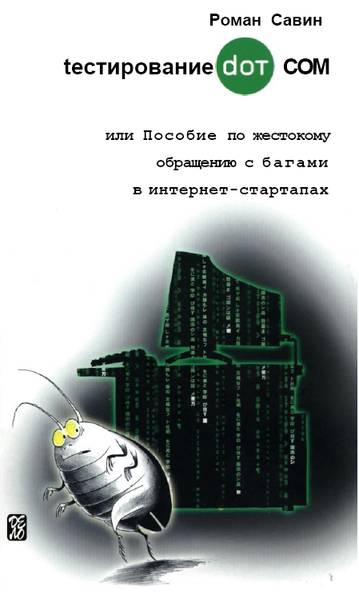
The most popular book ever read by testers in the CIS. Written in an easy, conversational style, it covers the basic theoretical principles of testing. The downside: the book is already out of date, and besides, at interviews everyone says they've read Savin, which has become a real cliché.
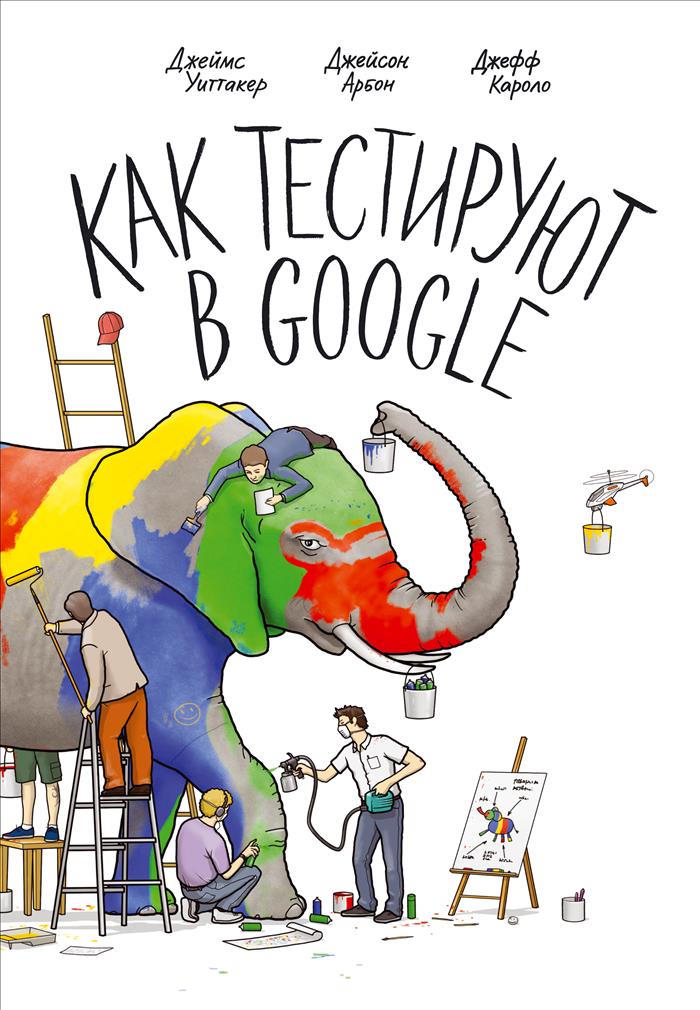
Whittaker, Arbon, Carollo: How Google Tests Software
The book describes how software products are tested at Google: how the processes work, how the teams are organized, which techniques are used, and who is responsible for quality. The most highly recommended read, because it's interesting, easy to read, and was published in 2014.
Cem Kaner, Jack Falk, Hung Q. Nguyen, “Testing Computer Software”
The book by three venerable elders of testing is not as entertaining as the previous one, but it is no less important for shaping your mind on “What a tester does, Why, and How.” Hard to read, but useful.

Rex Black, “Critical Testing Processes: Plan, Prepare, Perform, Perfect”
The author is a distinguished seminar speaker on testing and a consultant in our field, so the book is laid out like a lecture course with a great many small details. Some people are overwhelmed by the abundance of those details. Others, on the contrary, use it to solve the difficulties that come up on a project and to build their careers.

Robert Culbertson, Chris Brown, Gary Cobb, “Rapid Testing”
This book is often used as a textbook at training centers in big companies, where testing theory is taught. That's why many testers use it, for example, to level a refrigerator on an uneven floor, or to slap it on a younger colleague's desk with the refrain, "Read the basics first, then we'll talk" — but never for actual reading.
The book really is “specialized,” and reading it for fun is impossible.
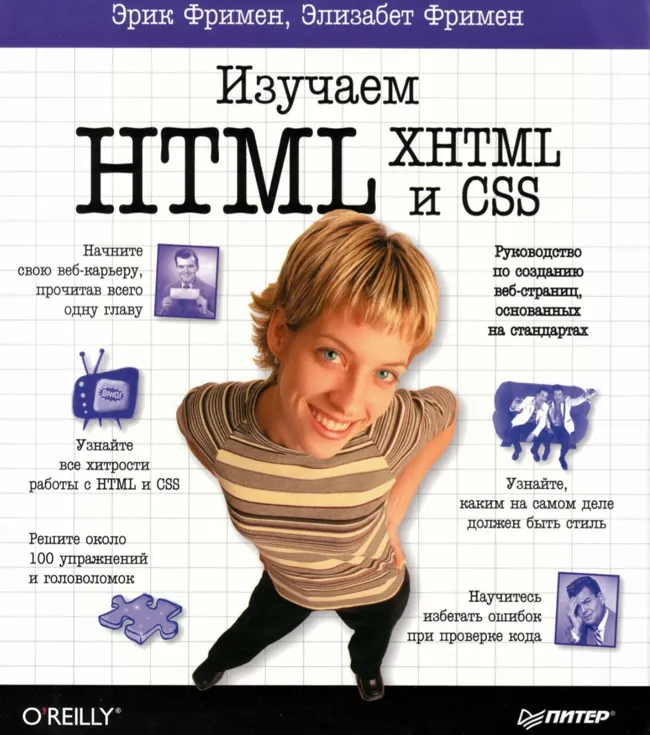
Eric Freeman, Elisabeth Freeman, "Head First HTML with CSS & XHTML"
I love the books in this series. Everything is written very clearly and plainly, with nice pictures. It reads easily and pleasantly. If you have decided to get serious about web testing, this book is for you.
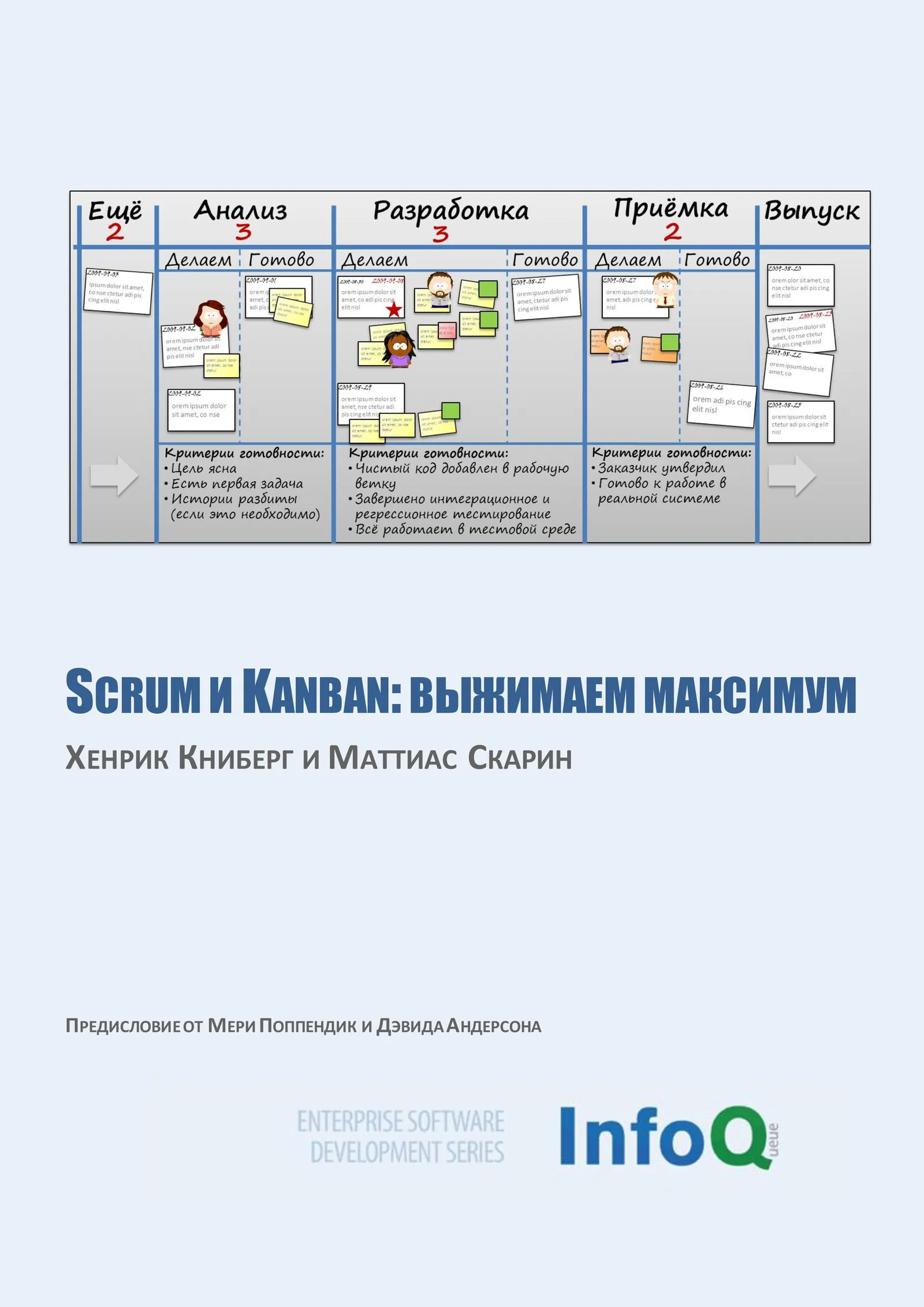
Henrik Kniberg and Mattias Skarin
"Kanban and Scrum: Making the Most of Both"
This short book is simply a must-read for anyone planning to go work at an outsourcing
company like SoftServe or EPAM.
In this book you will learn what Kanban is, what its strengths and weaknesses are, and when to use it. You will also get a good sense of how and when to supplement Scrum, or any other tool you are lucky enough to use.
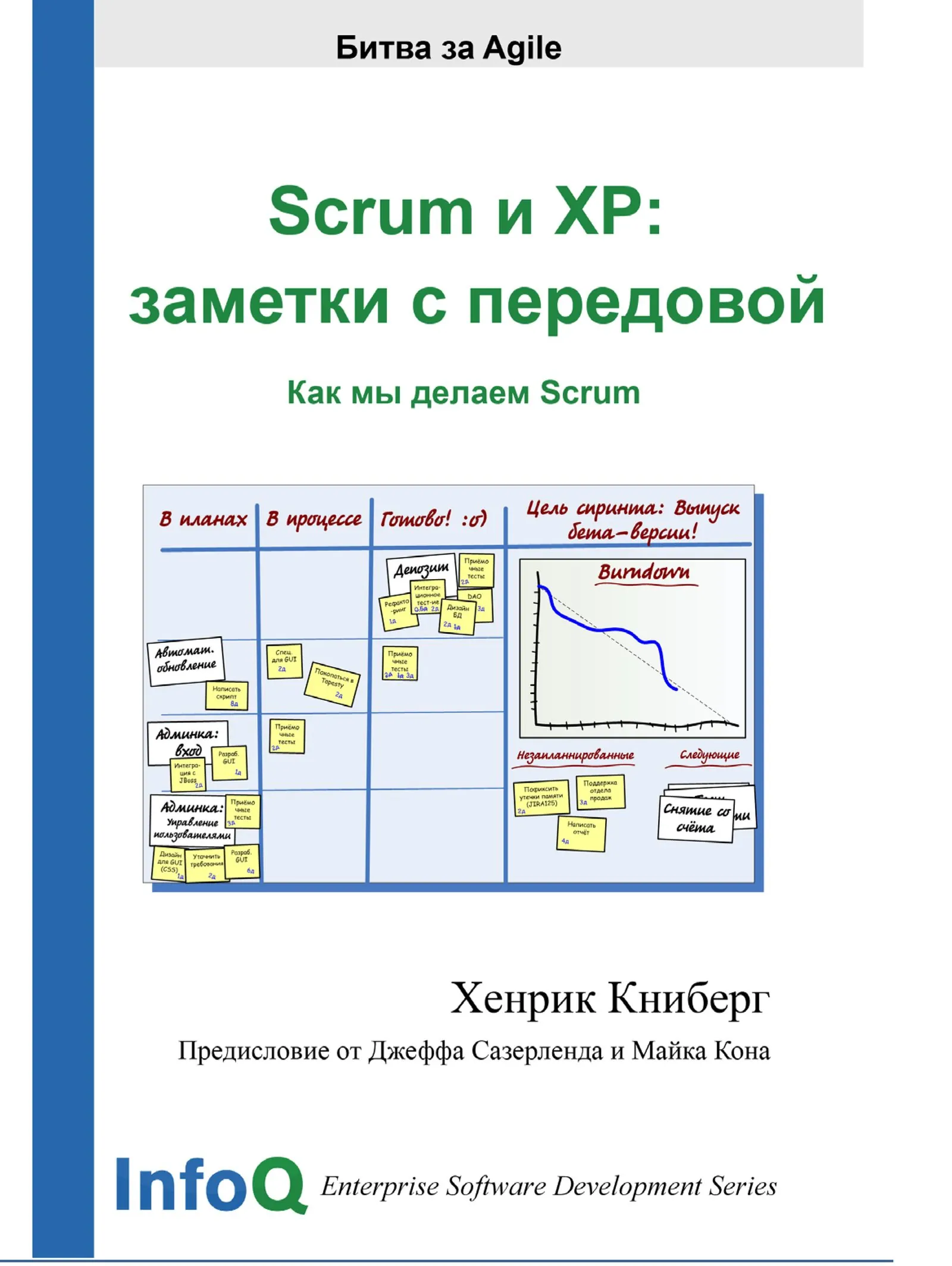
Henrik Kniberg, "Scrum and XP from the Trenches"
A handy, short booklet that helps anyone understand what Scrum is and how to survive under XP (Extreme Programming). This knowledge is essential if you want to work in outsourcing or at new, progressive companies.



Level 3
To move on to level 3, you need to score at least 20.4 points (60%) on the level 2 assignments.